
Care Work with BaptistCare
Whether you're supporting our aged care home residents or helping clients in their own homes, aged care work in Australia offers long-term job security, career progression, and the chance to make a real difference in many people’s lives.
Benefits of working in aged care
There’s never been a better time to start your career in aged care. The demand for aged care services is set to double by 2050 (ABS, 2018) providing long-term job security and an exciting period of growth for those working in the sector.
This increase in demand means more job opportunities, including personal care assistant roles and other entry-level pathways, to care for an ever-growing generation of older people. It’s a great opportunity to enjoy deeply rewarding work, career progression, and the chance to make a genuine difference in people’s lives.
Work life balance
At BaptistCare, we know work needs to fit around your life, not the other way around. Here, you’ll have the support, flexibility and choice to equally prioritise your career, health, and family commitments, including:
- Flexible rostering and hybrid work options where appropriate
- Generous leave entitlements, including study and volunteer leave
- A wide choice of work locations across the country.
Orientation program
As a valued care worker, you’ll be welcomed into the BaptistCare team with a comprehensive orientation program, including:
- Buddy shifts to support you as you learn on the job
- A dedicated supervisor to help you settle into your new role
- Access to a learning and development team to support your professional development and career pathways
- Paid travel time and mileage between clients (home care only)
- A company mobile phone (home care only).
Residential Aged Care qualifications
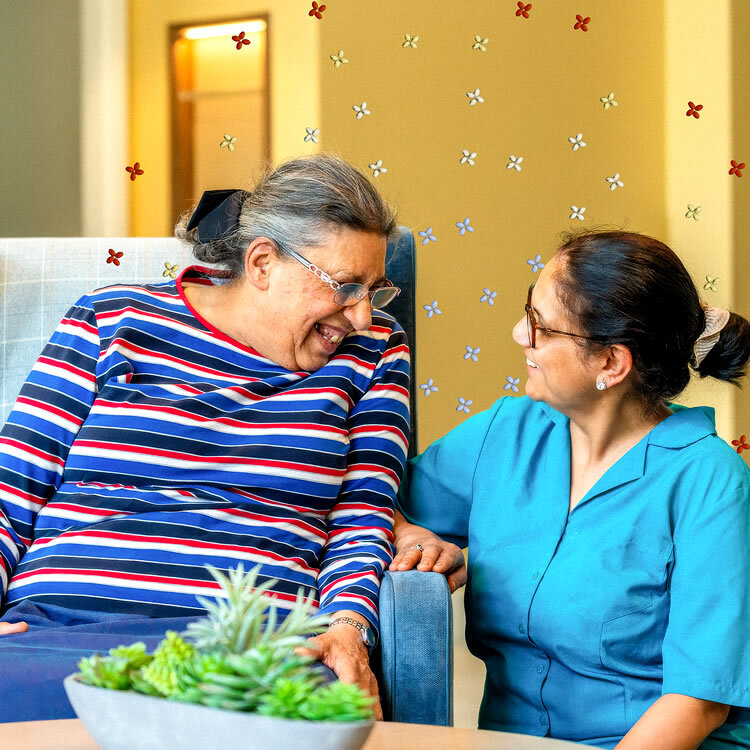
Carers in Residential Aged Care support people who live in an aged care facility, sometimes referred to as a nursing home. Working as part of a multi-disciplinary team, they take care of elderly residents who commonly have higher care needs than those living at home, for example, those living with advanced dementia.
- If you choose to work in residential care, you’ll need a minimum of a Certificate III in Individual Support or equivalent
- Some providers (such as BaptistCare) offer paid traineeships to support you in obtaining this qualification.
Home Care qualifications
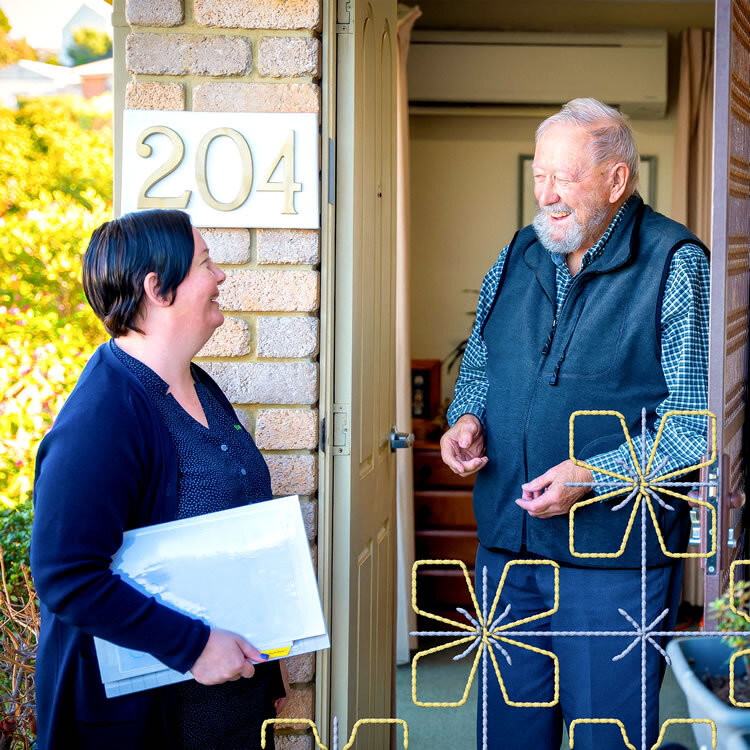
Home care workers (including home care assistants) support older people in their own homes by providing personal care (such as showering and dressing), domestic assistance (meals, cleaning, laundry), and transport to appointments.
Most roles don’t require formal qualifications, with training provided instead. You’ll need an insured vehicle, a valid driver’s licence, current vaccinations, relevant experience or transferable skills, and a willingness to learn.
There are also opportunities to gain further aged care qualifications or move into specialised roles as your career grows.
I want to work in Residential Aged Care - can I learn on the job?
If you’re keen to get started but aren’t yet qualified, you can begin your career as a trainee, working towards gaining your Certificate III in Individual Support through a fully funded government traineeship program.
BaptistCare proudly delivers such a program in partnership with TAFE NSW.
The traineeship program provides eligible applicants with a supported online course, complemented by fully supervised on-the-job training. You can find out more by making an enquiry at the bottom of this page.
Jen’s story
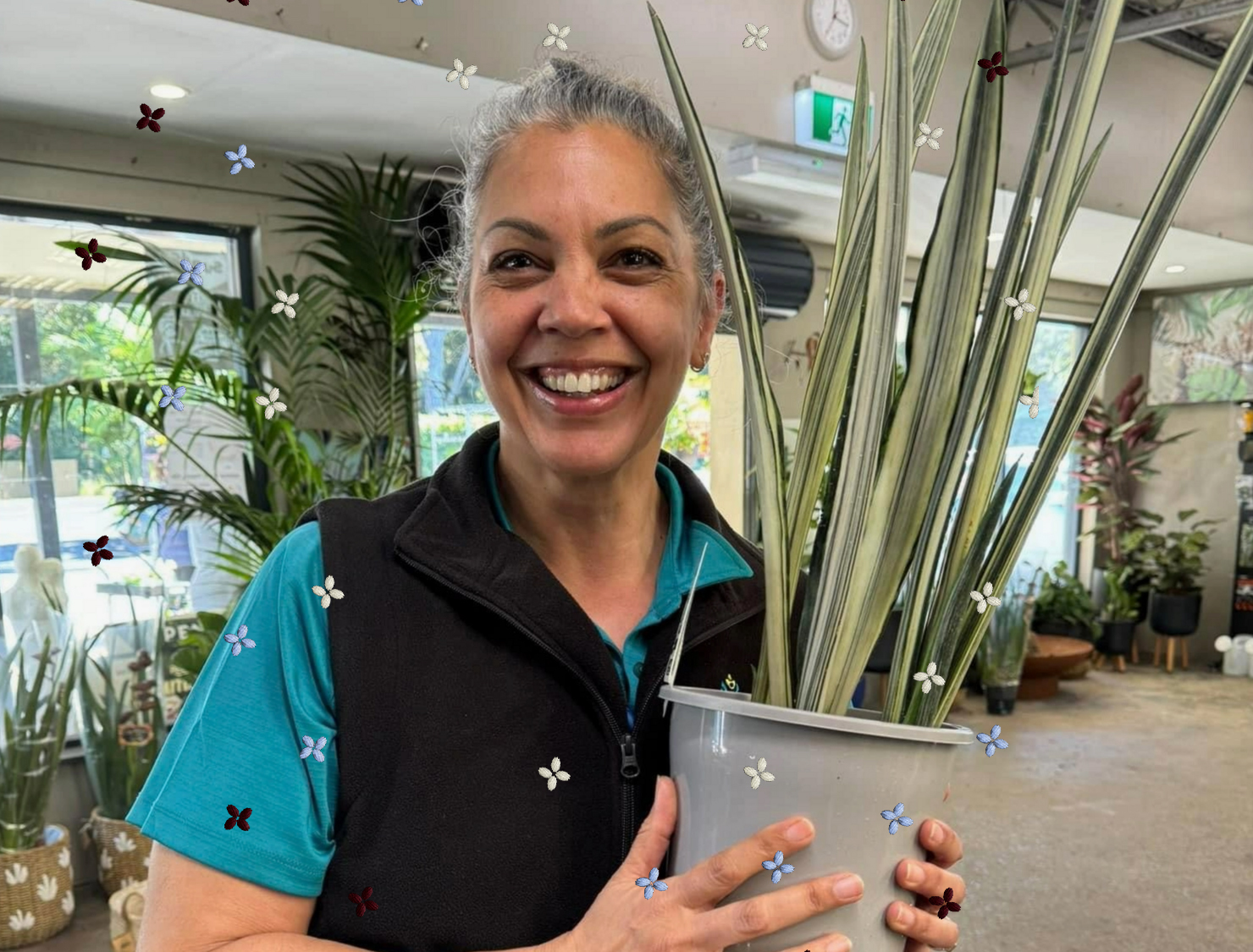
Meet Jen, a Care Worker with our BaptistCare Home Care team. She has proudly worked for BaptistCare for an incredible 26 years in both residential services and home care.
Jen’s love of working with seniors started when she was a hairdresser. She enjoyed working with her senior clients, listening to their stories, diving into their history, gleaning their wisdom, looking at their family photos and learning about their lives. It wasn’t long before she realised she wanted to work more closely with seniors. So, she joined BaptistCare and has never looked back!
Rosy’s story
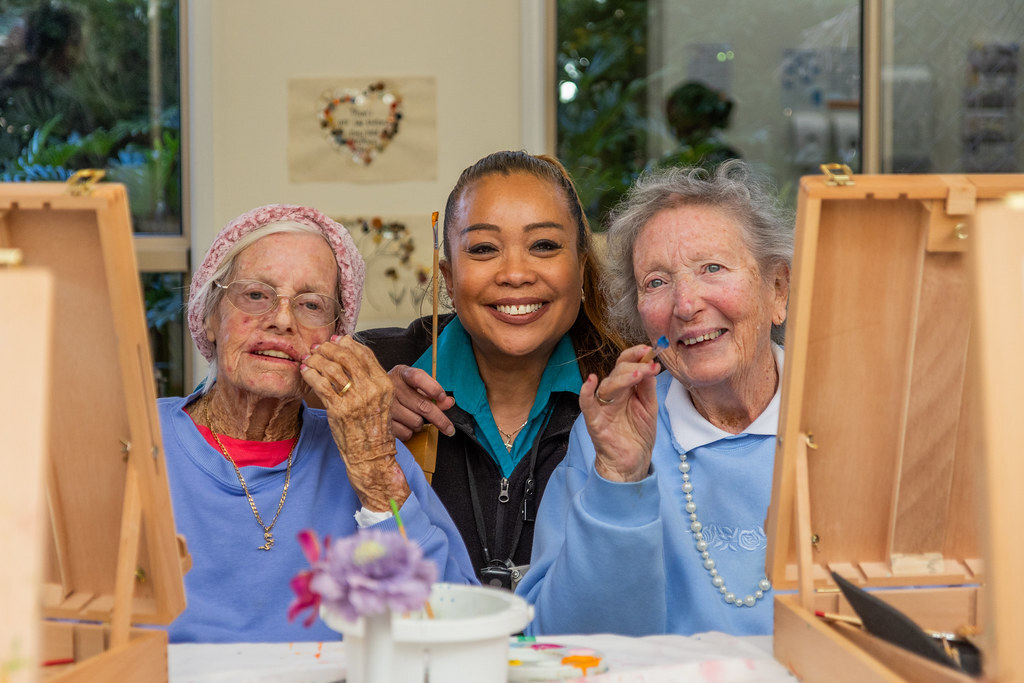
“When I first joined the Maranoa team, I requested to work in the dementia wing,” says Rosy. “Many people were surprised as this work can be challenging, but I find it special and deeply rewarding.”
“I just love bringing a smile to their faces. It brings me joy to bring them joy,” she says.
“When it’s my day off, I miss going to work – I love being with my residents and caring for them.”
Adam's story
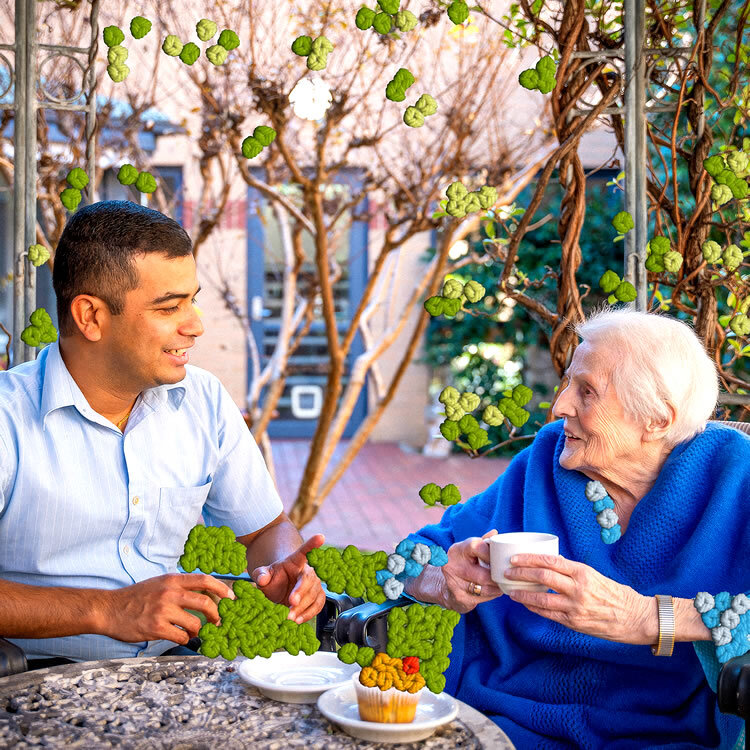
Adam is a Care Worker for BaptistCare at home and has spent over ten years supporting local older people to stay connected to their community through BaptistCare’s social club activities.
“I just started building these connections to our clients and I wanted to do more for them.”
“It’s the clients that have kept me here all these years – they are amazing.”

Josh’s story
Josh always thought he’d be a banking ‘lifer,’ working his entire career in the sector until he retired. So it was a surprise when he woke up one day and told his wife he couldn’t face another day in banking.
“Aged care had always appealed to me,” says Josh. “So many older people in our communities are lonely and isolated, and I saw the tangible difference that some additional support could make. I was keen to contribute to that.”